
All posts
Sunstars – how do you capture them?
Hello my dears,
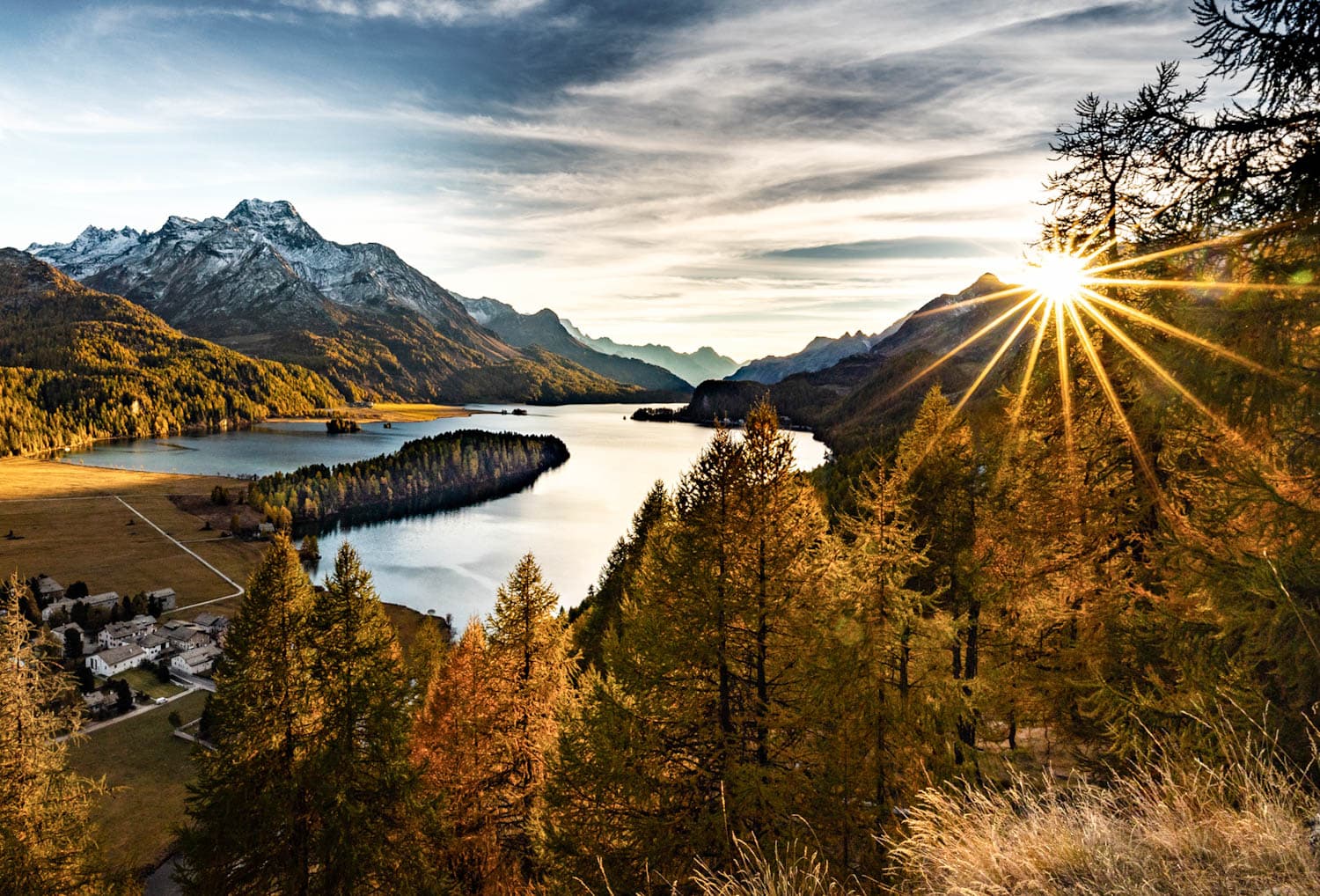
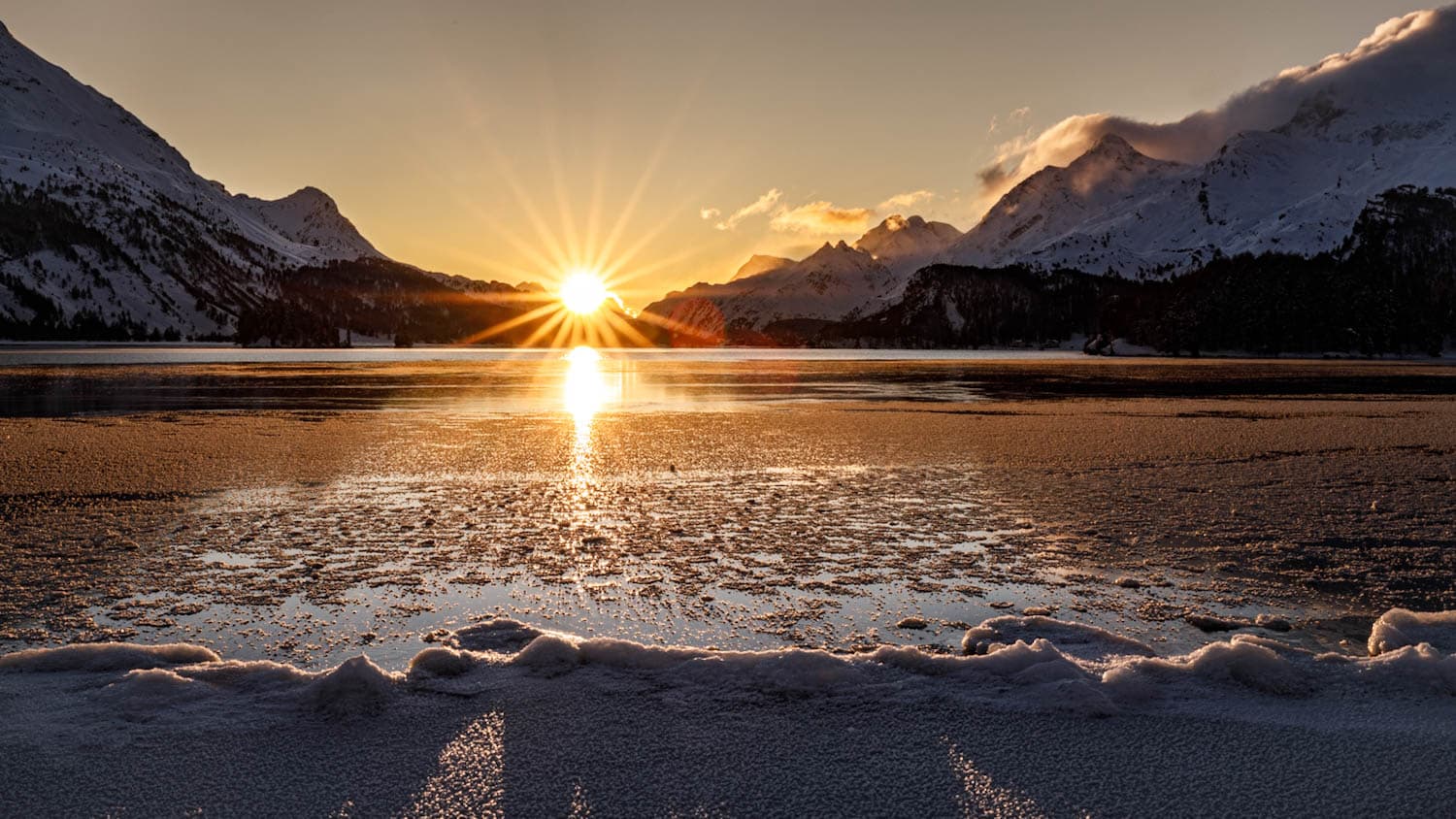
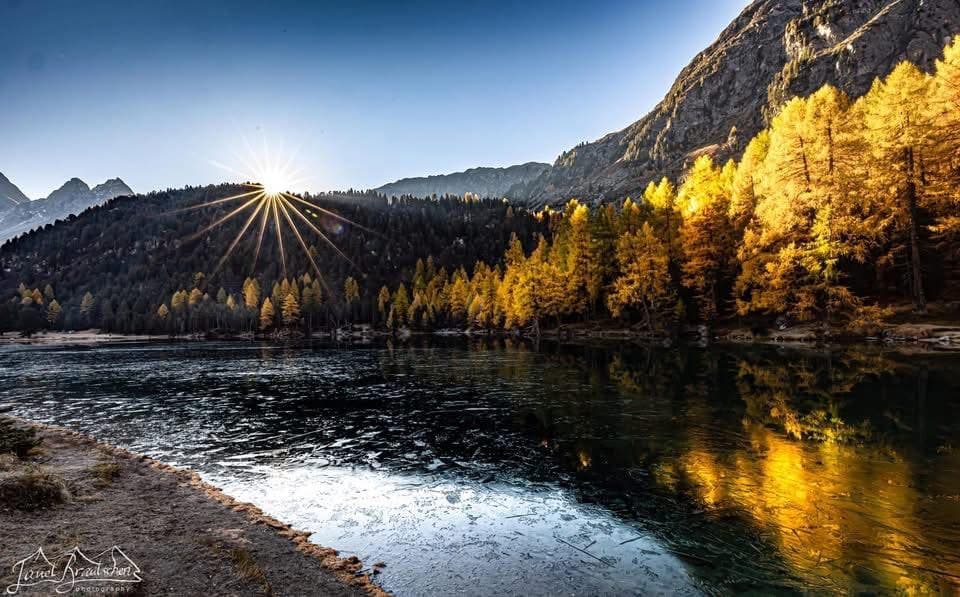
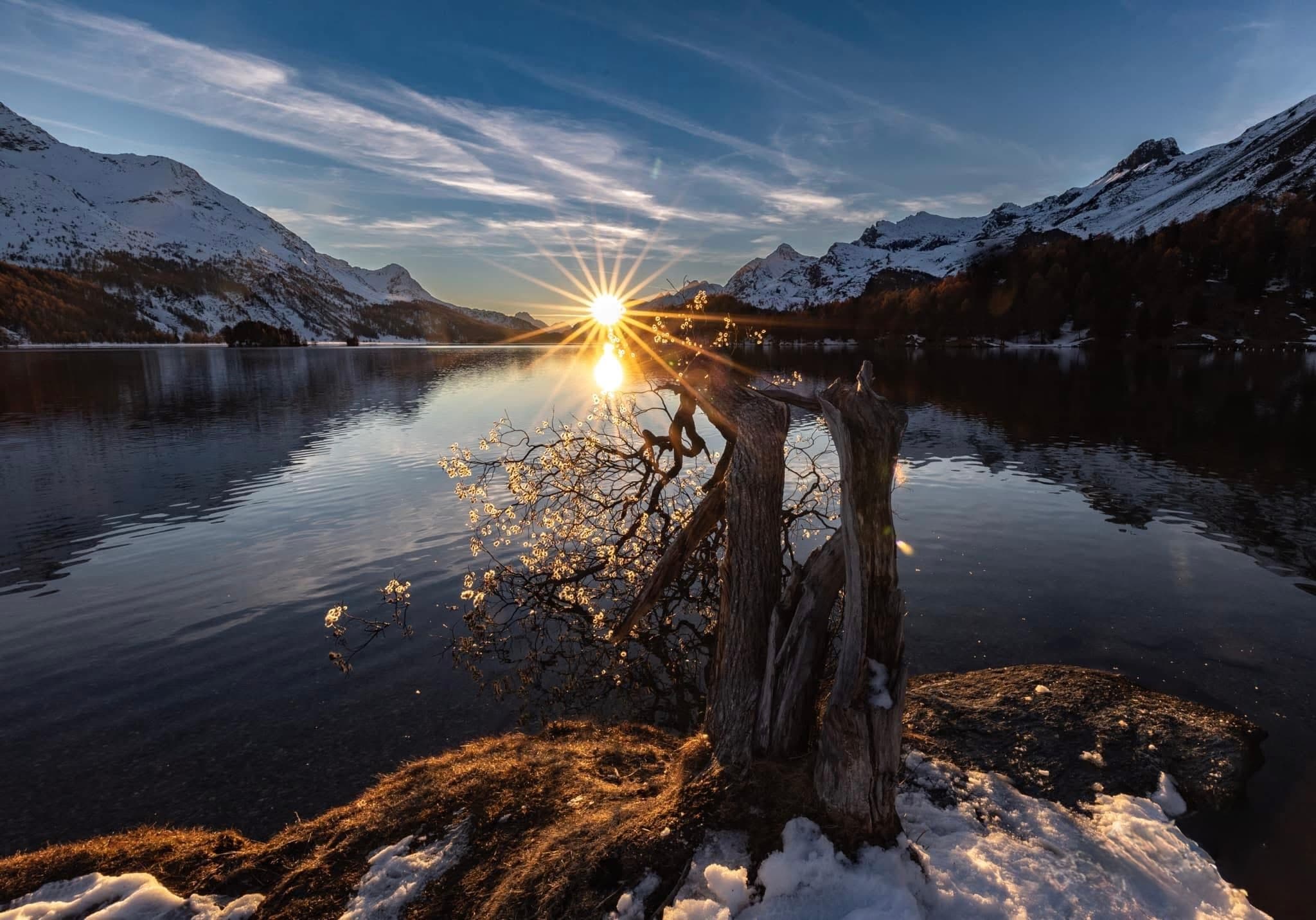
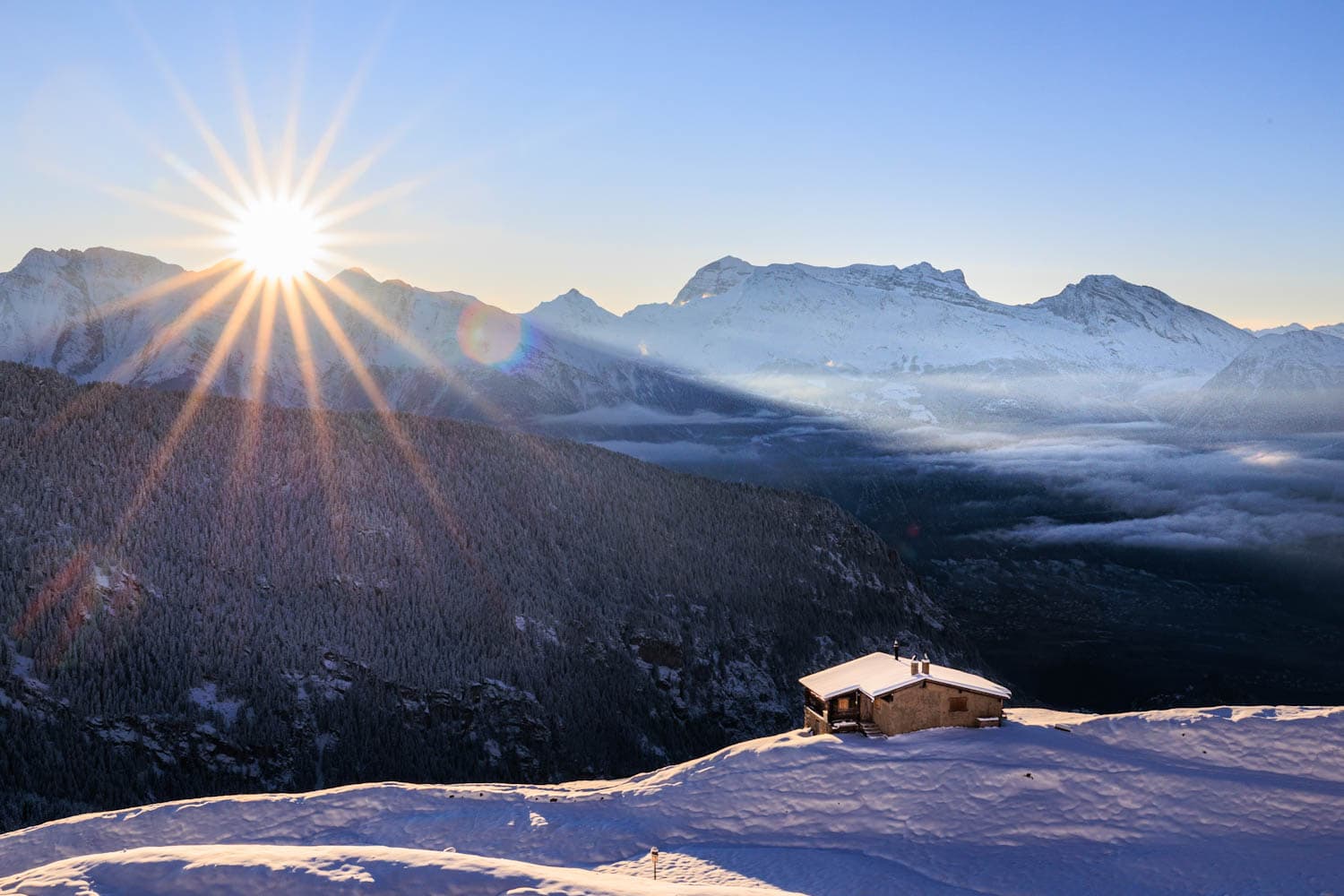
A sunstar (also called a starburst) gives landscape photos a very special accent. It is created by the diffraction of light at the aperture blades of your lens.
🎯 The most important setting: the aperture
The deciding factor for a beautiful sunstar is a small aperture opening (a high f-number):
- Choose f/16 to f/22: The smaller the aperture, the more pronounced and sharper the rays become. A value around f/16 is often a good starting point.
- Lens blades: The number of points on the star depends on the number of aperture blades in your lens. An odd number of blades produces twice as many rays as there are blades (e.g. 7 blades = 14 rays). An even number produces the same number of rays (e.g. 8 blades = 8 rays).
⚙️ Recommended camera settings
Set your camera to manual mode (M) or aperture priority (Av) so you have full control over the aperture.
- ISO: Choose the lowest native ISO, i.e. ISO 100, for maximum image quality and minimal noise.
- Shutter speed: Since you are using a small aperture, you need a longer shutter speed. In Av mode the camera works out the right time; in M mode you adjust it until the exposure is correct (keep an eye on the histogram).
- Tripod: Because of the longer shutter speed, a sturdy tripod is essential to avoid camera shake.
- Release: Use the 2-second self-timer or a remote release so the camera doesn't move at all when you press the shutter.
- Focus: Focus manually (MF) or with autofocus on a subject in your scene, then switch to manual focus to lock the sharpness.
💡 Creative positioning for the best effect
The most beautiful sunstar appears when the light source is not completely in the frame.
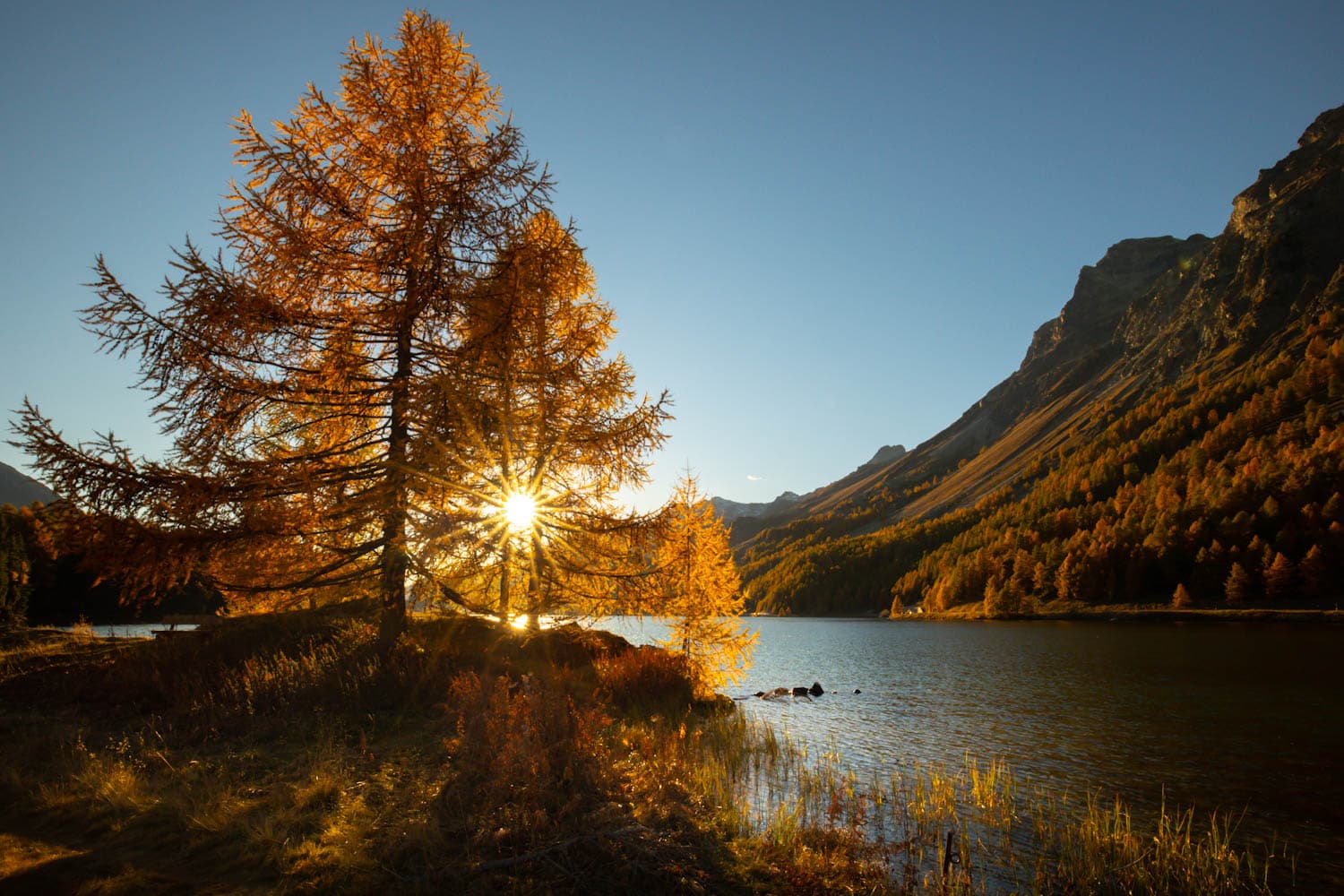
- Partly hidden: Position the sun so that it just peeks out from behind an object such as a tree, a rock or a building. This strengthens the star effect and reduces the risk of lens flares.
- Golden hour: You get the best results during the golden hour (shortly after sunrise or shortly before sunset), when the sun is low and the light is softer.
- Clean lens: Make sure your lens is perfectly clean. Dust and dirt show up as ugly spots when shooting into the light with a closed-down aperture.
Have fun trying it out!
Warmest wishes
Janet
Bring a piece of nature home.
Photos finely printed. Beautifully made. For walls, desks and the people you love.
To the shop